

Every shift I’ve run across four regions has taught me the same thing: the small blind is where good players separate themselves from the rest. In Australian card rooms, from Darwin’s weekend cash games to busy metropolitan rooms, the small blind demands discipline more than luck. This decision guide walks through the exact questions you should weigh before you post that blind, with practical comparisons drawn from real pit operations and dealer training. If you prefer digital tables, you can log in here to check your account details before you sit down.
Weighing Your Position Before You Post
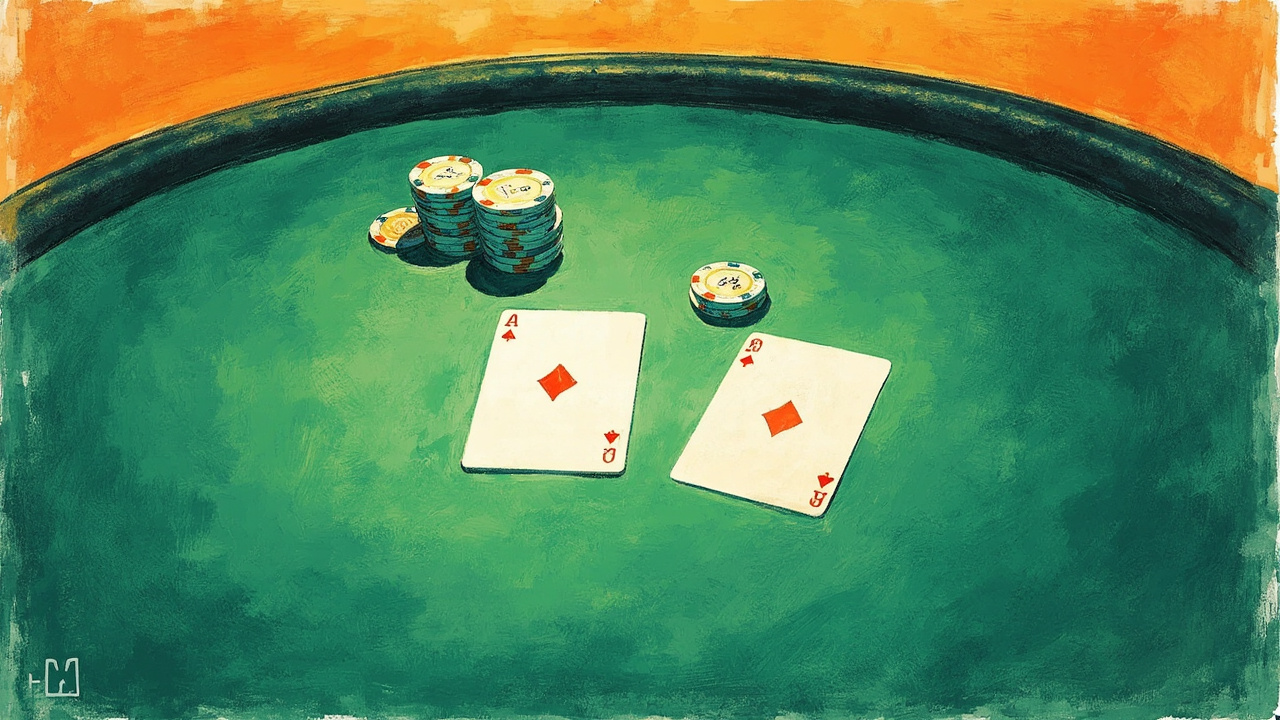
The first question any sensible player asks is whether the blind actually suits their style tonight. In poker played against other players (not the house), the casino earns money via the rake, so your position directly shapes how much you pay to stay in the hand. I’ve trained dealers who watch small blinds fold too often because they treat the posted chip as a sunk cost rather than a live option. The practical call is simple: if you’re short on sleep, nursing a cold arvo beer, or playing a mixed session, tighten up and let the aggressive players fight for the pot. A seasoned pit boss once told me that a disciplined small blind folds more hands than a reckless one wins, and that balance is what keeps your bankroll intact over a long night.
When you’re deciding whether to play from the small blind, consider three concrete factors:
- Stack depth relative to the blinds. If you’re sitting with twenty big blinds or fewer, pushing or folding becomes a clearer line than limping and getting squeezed. Video Poker Royal Flush Odds and
- Opponent tendencies at your table. I’ve watched Darwin locals open wide from early position and fold to second reraises; that tells you exactly where the small blind can exploit or avoid trouble.
- Your own fatigue and tilt risk. After a double shift, I’ve seen otherwise sharp players turn the small blind into a lottery ticket. No worries if you step away for ten minutes and reassess.
Reading the Table and Making the Call
When to fold and preserve your chips
The most underrated small blind play is a clean fold. I’ve trained new dealers to watch for the tell of a player who already committed their stack mentally before the cards arrive. If the cutoff raises and the big blind three-bets, you’re often staring at a marginal holding that’s better discarded than defended with hope. A fill slip documents chips added to a table’s tray, and I’ve used that same discipline to remind players that every blind posted is a real cost, not a free option. If you’re out of position with a weak hand and multiple opponents left to act, folding protects your session rather than draining it.
When to call and keep the pot small
Calling from the small blind works best when the pot is already multiway and the raiser is capped or predictable. The first slot machine, the Liberty Bell, was invented by Charles Fey in San Francisco around 1895, and even that early machine relied on a simple, repeatable mechanic – the same logic applies to small blind calls. Keep the pot small, let the big blind do the heavy lifting, and only continue with hands that can withstand a squeeze. I’ve seen players in Darwin cash games call too wide with suited connectors, then regret it when the big blind completes and the cutoff raises. A measured call keeps you in the hand without handing away too much equity.
When to raise and take control
A small blind raise is a weapon, not a reflex. Use it when you have a strong holding, when the table is passive, or when you want to isolate a weak big blind. Mia Hill, Risk and Integrity Manager, Kangaroo Point Analytics, notes that “positional discipline at the small blind is where most recreational leaks show up, because players overcommit out of obligation rather than hand strength.” I’ve run shifts where a well-timed small blind raise folded out the entire field and turned a marginal hand into a clean pot. The key is picking spots where your raise has a clear purpose, not just trying to steal every time the action folds to you.
Who This Approach Suits Best
This decision framework fits players who treat the small blind as a position to manage, not a seat to suffer through. If you prefer structured sessions, track your own tendencies, and are comfortable folding when the math says so, you’ll extract more value from the blind than players who chase every pot. Noah Martin, Affiliate Partnerships Director, Pacific Player Protection Institute, observes that “players who set a clear small blind plan before they sit down tend to stay within their limits and avoid the impulse calls that drain a session.” For casual Darwin players dropping in for a couple of hours, the same logic applies: decide your fold line, your call range, and your raise spots before the first card hits the felt. Mia Martin, Independent iGaming Expert, Blue Mountains Interactive, adds that “a small blind strategy only holds up when it matches the player’s actual temperament, not the hero play they saw on a stream.”

| Detail | What It Means at the Table |
|---|---|
| Rake structure | The house takes a cut from pots, so position and hand selection directly affect your cost per hand |
| Session planning | Decide your small blind fold, call, and raise lines before you post, not after you see your cards |
| Table selection | Choose games where opponent tendencies match your style, especially in Darwin cash sessions |
| Bankroll discipline | Treat each blind as a real cost and step away when fatigue or tilt starts steering your decisions |
The small blind isn’t a seat to endure; it’s a position to manage with the same care you’d give any other decision on the felt. Weigh your stack, read the table, and let your plan – not the urge to play every hand – guide your next move.