

Most punters tap a slot and hope the symbols line up by magic, but the real story sits quietly in the paytable. Before you commit a single dollar, it pays to understand what you’re actually looking at, because a paytable is less a wishlist and more a contract written in flashing lights. At a Western Sydney club on a humid Thursday arvo, you’ll find the same truth: the machine doesn’t care about your lucky jumper. If you’ve landed on a site like logincrocospins.com and want to make sense of the grid before the reels start spinning, the rules are straightforward once you stop treating them like hieroglyphics.
What the Grid Actually Tells You
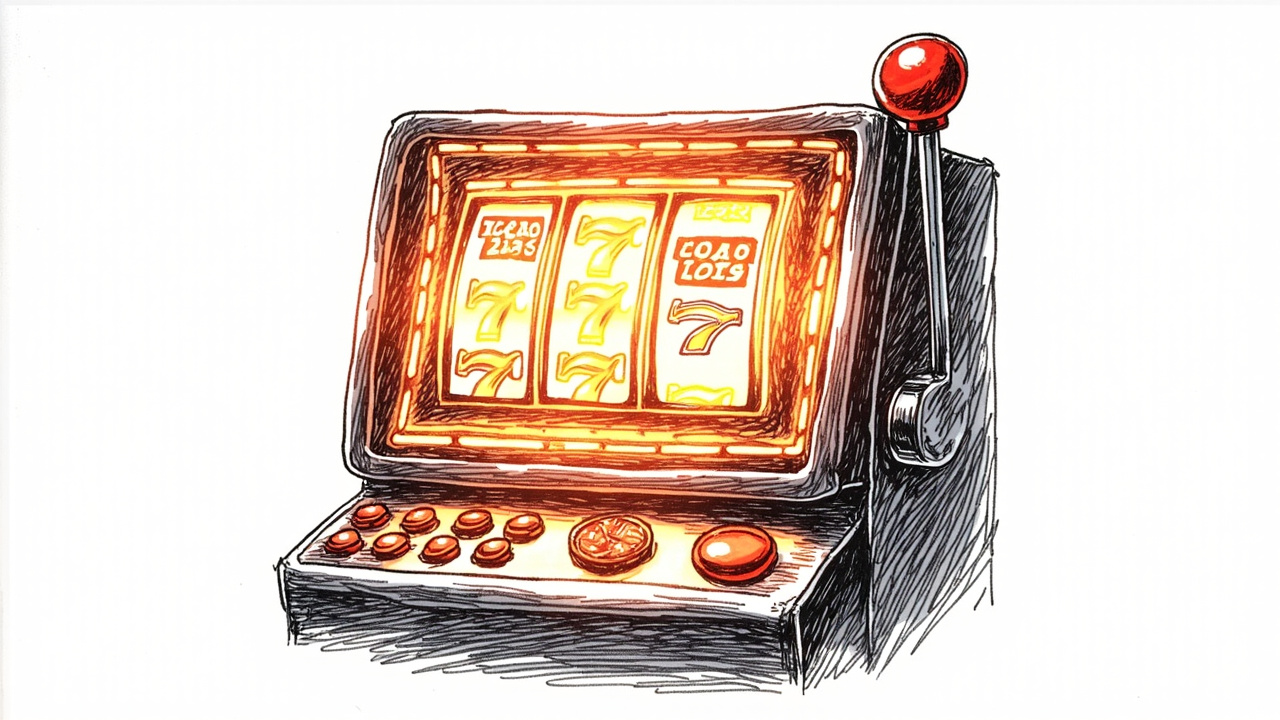
A paytable is the machine’s ledger, listing every symbol, its rank, and the credit it returns when it lands on an active payline. In modern video slots, that ledger stretches across several screens, layering in bonus triggers, multiplier logic, and sometimes a scatter that pays anywhere rather than on a strict line. The first thing worth noting is that a high-paying symbol rarely appears often; the maths is built on scarcity, not generosity. You’ll usually see low-value icons covering most of the reels, with a few premium faces tucked in for the occasional payout. That structure isn’t a trick, it’s simply how the return-to-player curve gets shaped over thousands of spins. When you’re scanning the grid, look for the payline map first, because a five-reel cluster means little if the game only rewards three specific lines. Bonus icons deserve a second look too, since their trigger conditions vary wildly – one game might need five scatters, another might reward a free-spin round with just three. The paytable also lists the top prize, but treat that figure as a theoretical ceiling rather than a promise. Nothing about the layout guarantees you’ll hit it, and the gap between the top payout and the average return tells you most of what you need to know about the game’s temperament.
Reading Symbols, Lines, and the Odds Behind Them
The symbols themselves are usually dressed up to look like a carnival parade, but their real job is to carry different weights in the maths model. A cherry-style icon might pay a tidy two credits for a line of three, while a painted mascot could return fifty times your stake for the same alignment. That spread matters because it changes how often you’ll see a return at all. Paylines add another layer of friction; a game advertising twenty-five lines sounds generous until you realise each line needs its own winning combination, and a near-miss on four of them still leaves you staring at a blank screen. Some titles use ways-to-win or cluster mechanics instead, which the paytable explains in small print near the bottom. That small print is where the real conditions hide, including whether a bonus round applies a multiplier on retriggers or whether a certain symbol vanishes during free spins. If you’re comparing machines at a Western Sydney video lounge, the quickest habit is to check the line bet and the total bet separately, because a game that looks cheap per line can quietly demand a heavy total stake once every line is active. The odds aren’t printed in plain English, but the paytable gives you the shape of the machine’s expectations, and that’s enough to keep your expectations from drifting into fantasy.
Where the Fine Print Actually Lives
The real conditions rarely sit in the headline payouts; they live in the rows beneath, where bonus rules, bet limits, and special symbols get spelled out in a font designed to be skipped. A paytable will usually note the minimum and maximum stake, the trigger requirements for any free-spin or pick-me round, and whether wilds stack or substitute only on certain positions. That detail matters because a wild that pays its own line value behaves very differently from one that simply fills gaps. Some games also list a gamble or feature buy option, though that’s often separated from the main paytable and tucked into the settings or bonus menu. When you’re checking a platform like logincrocospins.com, the same principle applies: the interface might dress the grid in bright colours, but the numbers underneath are what decide whether a session feels like a stroll or a sprint. Currency and denomination also shape how the paytable reads on screen; a game shown in dollars with a one-cent minimum bet looks identical to one with a ten-cent minimum once you adjust the total, but the volatility of the returns doesn’t change with the label. If you want a second opinion on how these grids hold up in practice, William Brown, Independent iGaming Expert, Daintree Digital Ventures, notes that “a paytable only becomes useful once you stop reading it as a prize list and start reading it as a map of how often the machine expects to pay.” The same caution applies to the bonus rows, where trigger frequency and retrigger rules can turn a flashy feature into a short-lived spectacle.
Over a flat white at the local pub, two regulars hashed it out while the footy played silently on the wall. “I keep looking at the top prize and thinking it’s just around the corner,” said one, stirring sugar into his cup. “Then I actually read the grid and realise three of those symbols barely show up,” the other replied, nodding toward the machine behind the glass. “No worries, though – once you know which lines actually matter, you stop chasing the shiny numbers and just play what fits the bankroll.” The exchange wasn’t profound, but it landed the point: a paytable only becomes useful once you stop treating it like a billboard.
How the Numbers Sit in a Real Session
A paytable tells you what the machine is built to pay, but it doesn’t tell you when, which is the part that catches most people out during a quiet bankroll stretch. Volatility sits behind the symbol values, and the paytable’s spread of low and high payouts is the clearest hint you’ll get without reading a rules PDF. A game stacked with small returns and a single flashy top prize will feel different from one that spreads its wins across several mid-tier icons, even if both list a similar theoretical return. The bet structure matters just as much, because a line bet that looks modest can multiply into a heavier total once every active line is counted. If you’re comparing titles on a site like logincrocospins.com, keep an eye on how the grid scales with stake changes; some interfaces shift the paytable values cleanly, while others leave you guessing whether a bonus threshold has moved. Daniel Hughes, Risk and Integrity Manager, Banksia Betting Partners, puts it plainly: “The paytable is the only part of the screen that tells you the rules in advance, so if you’re ignoring the fine print on triggers and limits, you’re basically playing blind.” That’s not a warning to walk away, just a reminder that the grid is there to set expectations, not to hand out guarantees. When the reels stop, the paytable is the only thing that already told you what you were chasing.
Glossary

- Payline: A predefined path across the reels that must contain matching symbols to trigger a win.
- Scatter: A symbol that can pay or trigger features without needing to land on a specific payline.
- Wild: A symbol that substitutes for others to complete winning combinations, sometimes with its own payout.
- Volatility: The pattern of how often and how large wins tend to land over time, reflected in the paytable’s symbol spread. logincrocospins.com
- Total bet: The combined stake across all active paylines or ways in a single spin.